

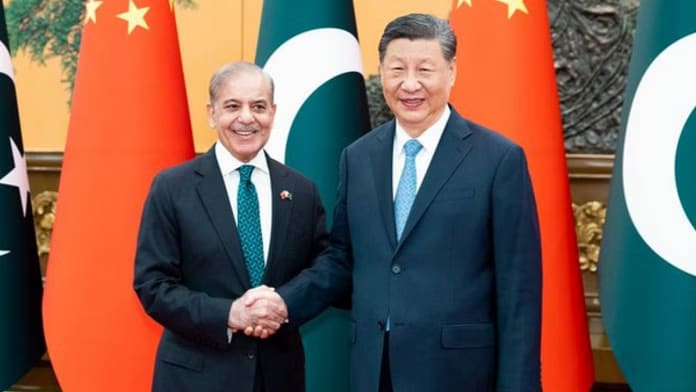
Islamabad: China is furious over the double game of Pakistani military leadership. The reason for this is strategic minerals like cobalt found in the area, for which the fight is intensifying. Minerals important for defense and high-tech industries are now becoming the center of rivalry between powers like China and America. Pakistan's Khyber Pakhtunkhwa province has a store of these rare minerals, but the Pakistani army is making it a means of the Great Game. China has been mining in this area for a long time, but now Pakistani generals are trying to double cross Beijing through this, which China is angry about.
The Pakistani military leadership also wants to include America in the game of these strategic minerals. China is furious over this. Former Pakistani military officer Adil Raza, quoting senior journalist Shaheen Sehbai, has said that China's displeasure is such that the possible high-level Chinese visit, including that of the Chinese President and Premier, has been cancelled. Beijing has even said that if the Pakistani army gets closer to Washington even for minerals, then Pakistan should first repay its debt of billions of dollars.
There will be a war within Pakistan
Sehbai says that handing over KP's minerals to America will not only anger China, but the region, already a victim of violence, will fall into the grip of further instability. He warned that the plan to extract cobalt from uranium will lead to major violence, as local groups will fiercely resist it. He stressed that this will be a war.
The situation should not become like Balochistan
Balochistan, a province of Pakistan, is already being crushed in the game of occupation by external powers. For decades, the Pakistani army has been shedding the blood of the Balochs to exploit the strategic minerals of Balochistan, resulting in an insurgency. China is building the China-Pakistan Economic Corridor to build and access the Gwadar port in Balochistan. China has invested $62 billion in this, but due to the insurgency in Balochistan, Beijing now sees its investment sinking.



Discussion (0)
Leave A Reply
Speak Truth To PowerModerated by Times Indian