

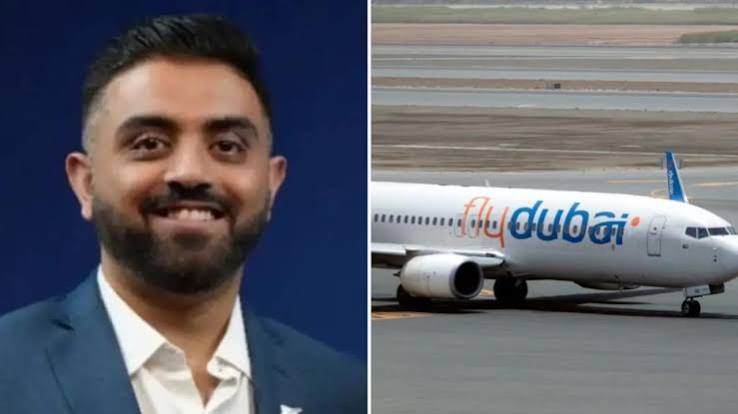
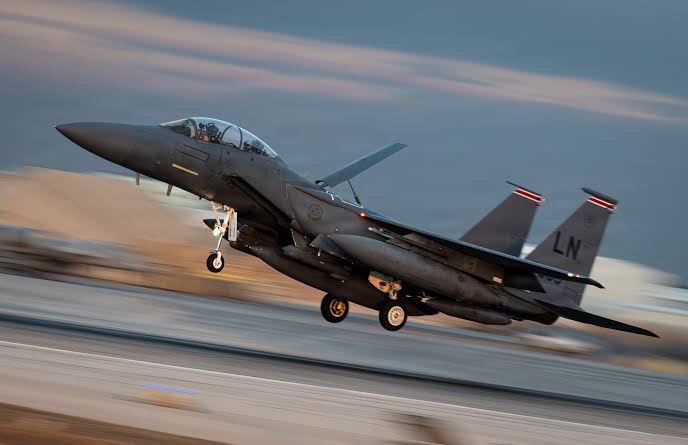
Washington: America is running a deportation campaign against illegal immigrants. Gurpreet Singh, an Indian who was recently deported, has shared his story. He had entered the US illegally through the southern border. He told that when he was being deported, he was handcuffed, shackled and a waist chain was tied. He was sent on February 3 by military transport aircraft C-17. He said that after several months of travel, he realized that his dream of living in America was over. He said, "It felt like the ground was slipping from under my feet."
Gurpreet intended to claim asylum in the US, but he said that he was deported without ever considering his case. "We were handcuffed and shackled for over 40 hours. The women were also tied up in the same way. Only the children were free," Gurpreet told the BBC in India. "We were not allowed to stand up. If we wanted to use the toilet we were taken away with the help of the US military and only one of our handcuffs was opened."
'The Indian government should have said something on our behalf'
The deportation issue in India led to an uproar in parliament, with opposition parties saying the deported Indians were subjected to inhuman and degrading treatment. "The Indian government should have said something on our behalf. They should have told the US that the deportation should be carried out in the same way as it was done earlier without handcuffs and chains," Gurpreet said.
An Indian foreign ministry spokesperson said the government had raised these concerns with the US and as a result the women deportees were not handcuffed and shackled on subsequent flights.
'No one will go to the US illegally now'
"As long as Trump is in power, no one will try to go to the US through this illegal 'dinky' route," Gurpreet said. In the long term, it will depend on whether the deportations continue, but for now, many Indian human traffickers, locally called 'agents', have gone into hiding for fear of raids against them by the Indian police, according to the report.
Gurpreet said that when he returned home, Indian officials asked for the number of the agent he had used, but the trafficker could not be contacted. "I don't blame them, though. We were thirsty and went to the well. They didn't come to us," he said.
'We went to America illegally out of compulsion'
Gurpreet, who has a wife, mother and an 18-month-old child, said, "We leave India because we are forced to do so. If I could get a job of even Rs 30,000 a month, my family would have survived. I would never have thought of leaving India."
He said, "You can say whatever you want about the economy on paper, but you have to see the reality on the ground. There are no opportunities for us to work or run a business here."
Gurpreet's trucking company was one of the cash-dependent small businesses that were badly hit when the Indian government withdrew 86 per cent of the currency in circulation with a four-hour notice. He said he did not receive payments from his customers and did not have the money to continue the business.
He said he had started another small business, managing logistics for other companies, but that too failed due to the Covid lockdown. He said he tried to get visas to travel to Canada and the UK, but his applications were rejected.
Gurpreet said he then spent all his savings, sold a plot of his land and borrowed money from relatives and paid Rs 40 lakh to a smuggler to arrange for his trip.
This is how he traveled to America
On August 28, 2024, he flew from India to Guyana in South America to begin an arduous journey to the US. Gurpreet took his first flight to Canada and the UK. A map on the phone showed all the stops he had made. From Guyana, he travelled through Brazil, Bolivia, Peru, Ecuador and Colombia, mostly by buses and cars, some by boat and a few times by plane, being handed over from one human trafficker to another. Along the way, he was detained and released by the authorities a few times.
'Broken nails, bruised palms'
"I was not scared. I have been a sportsperson, so I thought I would be fine, but that was the toughest part... We walked for five days through jungles and rivers. At many stretches, the water came up to my chest while wading through the river," Gurpreet said. Each group was accompanied by a smuggler or donker. They would pitch tents in the jungle at night, eat the little food they had brought with them and try to rest.
"It rained all the days we were there," Gurpreet said. "We were completely soaked." He said they were taken over three mountains in their first two days. They then had to follow a route marked out in blue plastic bags tied to trees by the smugglers.
"My legs were starting to look weak. My toenails were broken and the palms of my hands were peeled and had thorns. Still, we were lucky we didn't run into any robbers," he said.
When they arrived in Panama, Gurpreet said he and about 150 others were detained by border officials in a cramped prison-like facility. He said they were released after 20 days and from there it took them more than a month to reach Mexico, passing through Costa Rica, Nicaragua, Honduras and Guatemala.
Gurpreet said he waited in Mexico for about a month until he got the opportunity to enter the US via a border crossing near San Diego. "We didn't cross a wall. It has a mountain that we climbed and a razor wire that Donker cut," he said.
'Surrendered to US Border Patrol'
Gurpreet entered the US on January 15, five days before President Trump took office, believing he had arrived just before the borders became impenetrable and rules became strict. After arriving in San Diego, he surrendered to the US Border Patrol and was then taken into custody by Immigration and Customs Enforcement (ICE).
Gurpreet was seeking asylum
During the Biden administration, illegal or undocumented migrants appeared before an immigration officer who conducted an initial interview to determine if each person had a case for asylum. If they passed the interview, they were released pending an asylum decision from an immigration judge.
The process often takes years but they are allowed to stay in the US in the meantime. Gurpreet thought that would be the case for him. He had planned to find work at a grocery store and then go into trucking, a business he is familiar with.
Instead, less than three weeks after entering the US he found himself being led to a C-17 plane and heading back to where he started.
Gurpreet lives in his small house in the northern Punjab city of Sultanpur Lodhi. He is now trying to find work to pay off his debts and support his family.


Discussion (0)
Leave A Reply
Speak Truth To PowerModerated by Times Indian