

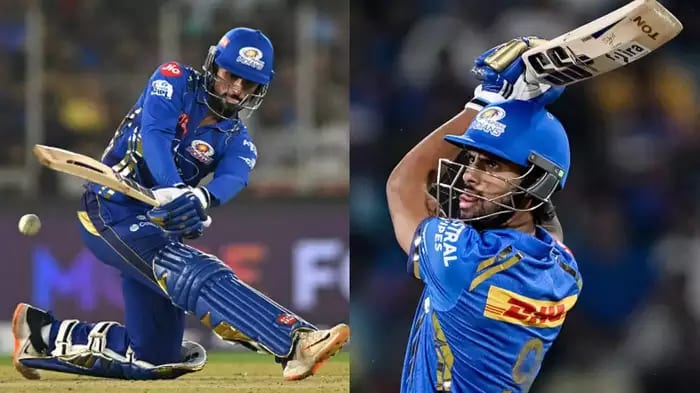
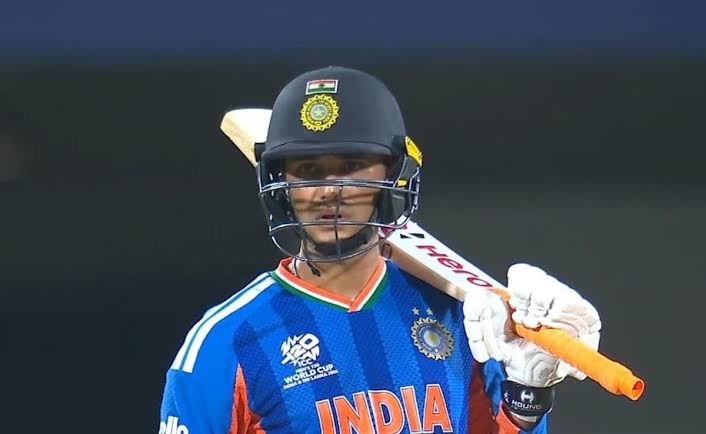
Lucknow: A shocking incident happened in the match between Lucknow Super Giants and Mumbai Indians. Mumbai Indians batsman Tilak Verma 'retired out' in this match. His decision has surprised cricket lovers. People want to know the reason behind this decision. Tilak Verma was struggling to score runs. The pressure on the team was increasing. That's why he took this decision. The team management felt that Mitchell Santner could be a better option. Hardik Pandya has also justified this decision. He said that Tilak Verma was having trouble hitting the hit.
What is the rule of retired out?
What does 'retired out' mean in cricket? As per the rules, if a batsman leaves the field without the permission of the umpire. And the opposition captain does not allow him to be called back, then he is considered 'retired out'. This is considered as out while calculating the batting average. As per the ICC, a batsman can retire at any time during the innings. Once the batsman retires of his own free will, he cannot resume his innings in the match until the opposition captain allows it.
But if the batsman does not return to bat, then the batsman is declared 'retired out' and hence considered out in the records. Now, retiring out is a rare event that occurs in the game. This rule has come into the limelight recently. And teams are using it according to the match situation, especially in T20 matches.
What is the rule of retired hurt?
Injuries are a part of field sports and cricket is no exception to it. Batsmen can get injured while practising in the nets or during a match. Now, if a player gets injured during practice, he can take a break or rest for a few days after assessing the injury. But what if a batsman injures himself during a match? That’s when the retired hurt rule applies. But retired hurt is a different term from retired out.
See, if a batsman retires due to injury, illness or any unavoidable circumstance, he is marked as retired hurt for a period of time. But, unlike a retired out batsman, a retired hurt batsman can come back to bat again. But they cannot resume their innings at any point of time. The batsman can come back to bat only if a wicket falls or another batsman retires.
And if a batsman does not come to bat, he is recorded in the records as ‘retired not out’. Now keep in mind that retired hurt is not a tactical decision but the batsman is forced to retire. But here he can bat again when he is fit to play.
Chaos on Tilak Verma's departure
In the match, Lucknow batted first and scored 203 runs. In reply, Mumbai Indians team could score only 191 runs. Tilak Verma scored 25 runs in 23 balls, which included only two fours. The team felt that they needed a fast scoring batsman. So he was retired out. Mumbai Indians retired Tilak Verma on the fifth ball of the 19th over. Mitchell Santner was sent to bat in his place. But, it did not benefit. Mumbai Indians lost the match by 12 runs.



Discussion (0)
Leave A Reply
Speak Truth To PowerModerated by Times Indian