

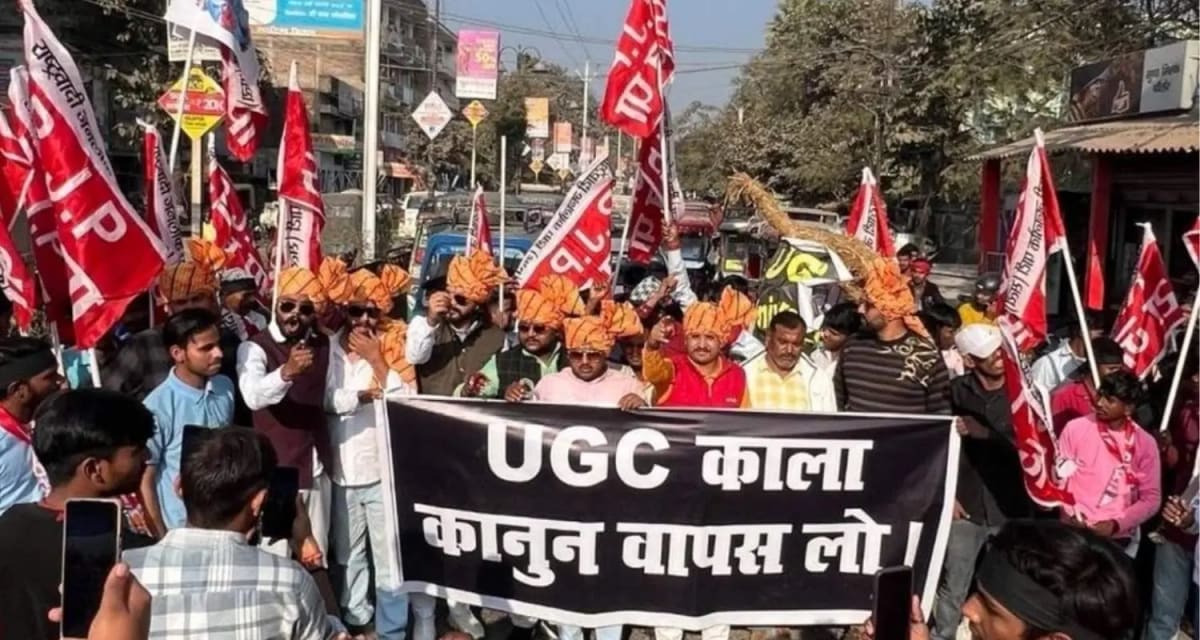
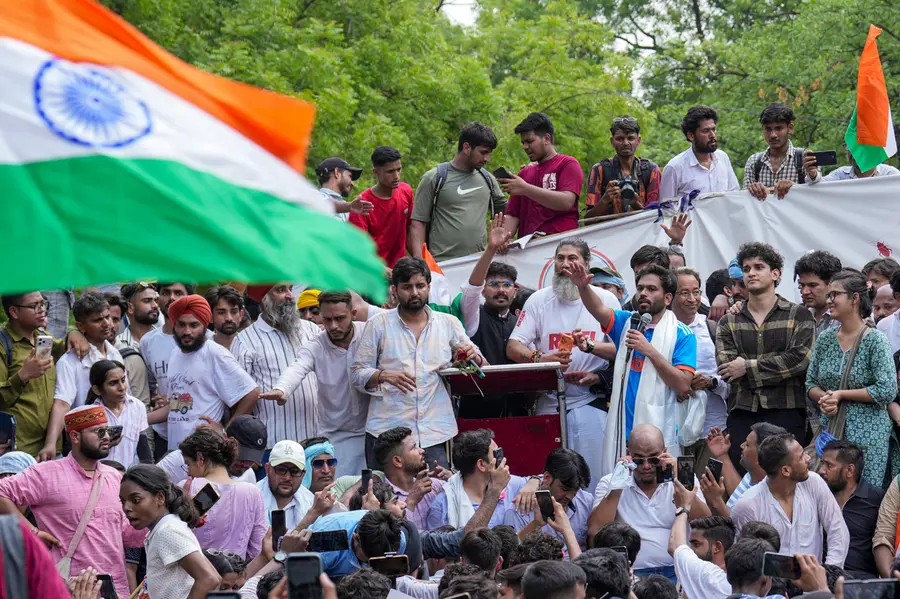
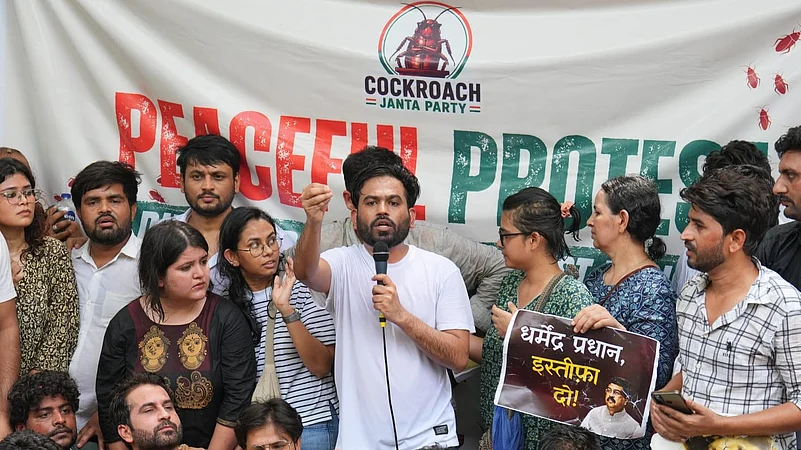
UGC News, New Delhi: Amidst the storm on social media against the UGC rules, the country's politics is also heating up. The UGC has framed these rules citing the need to prevent caste-based discrimination in the country's higher education institutions. Students from the general category are questioning whether the rules of equality do not apply to them? Leaders from both the ruling and opposition parties are not speaking openly on this issue. Students are also saying that leaders send their children abroad for studies, and these new rules will have no effect on them.
Information to be Provided to the Supreme Court
Seeing the situation escalating, the government is taking action. The matter has also reached the Supreme Court, and the Ministry of Education will have to present its arguments before the court. The ministry is also seeking legal advice on this matter. Sources say that the UGC will soon present the facts on the entire issue. When the case is heard in the Supreme Court, the UGC will clarify its position on the issuance of the new rules. In view of the protests, security has also been increased at the UGC headquarters in Delhi.
What did the Education Minister say?
There will be no discrimination. No one will have the right to misuse the rule in the name of discrimination. I assure you that it will be within the framework of the Constitution.
Dharmendra Pradhan, Union Education Minister
UGC Row: These are the three big questions
The UGC issued the 'Promotion of Equity in Higher Education Institutions' Regulations 2026 on January 13, 2025. Three major questions have arisen against these rules. The first question regarding preventing caste-based discrimination is that rules already existed, but the revised provisions of 2026 have broadened the scope of its definition. Now, 'caste-based discrimination' includes students and employees from the OBC community along with SC/ST communities. The new rules mandate compulsory action on complaints from these groups, while students from the general category are raising concerns about equality.
The 2012 provisions did not include penalties or fines for false complaints related to discrimination. The 2025 draft recommended penalties, but these were removed in the 2026 regulations. The argument given was that this would allow genuine victims to file complaints without fear. Their identities would also remain confidential. Opponents argue that this could lead to an increase in false complaints and create a sense of insecurity among the general category.
The new rules include a provision for forming an Equality Committee. This committee will have representation from OBCs, persons with disabilities, and SC/ST women. Students are questioning the absence of representatives from the general category on the Equality Committee. There is no provision for action against false complaints. Is it being assumed that discrimination does not occur against the general category? If equality is enshrined in the Constitution, why not on campus?
A challenge for the Bharatiya Janata Party?
The new UGC rules appear to be a challenge for the BJP, as there is opposition to them even within the party. Several district and state-level BJP office-bearers have resigned from their posts, and questions are continuously being raised to the government. The new UGC rules are being described as discriminatory against people from the general category. Several BJP leaders from the general category are raising concerns, and the continuous protests and letters of dissent indicate a dilemma for the government. This year, several states, including Uttarakhand and West Bengal, are holding assembly elections, and if the UGC issue continues in this manner, it could create difficulties for the BJP.


Discussion (0)
Leave A Reply
Speak Truth To PowerModerated by Times Indian