

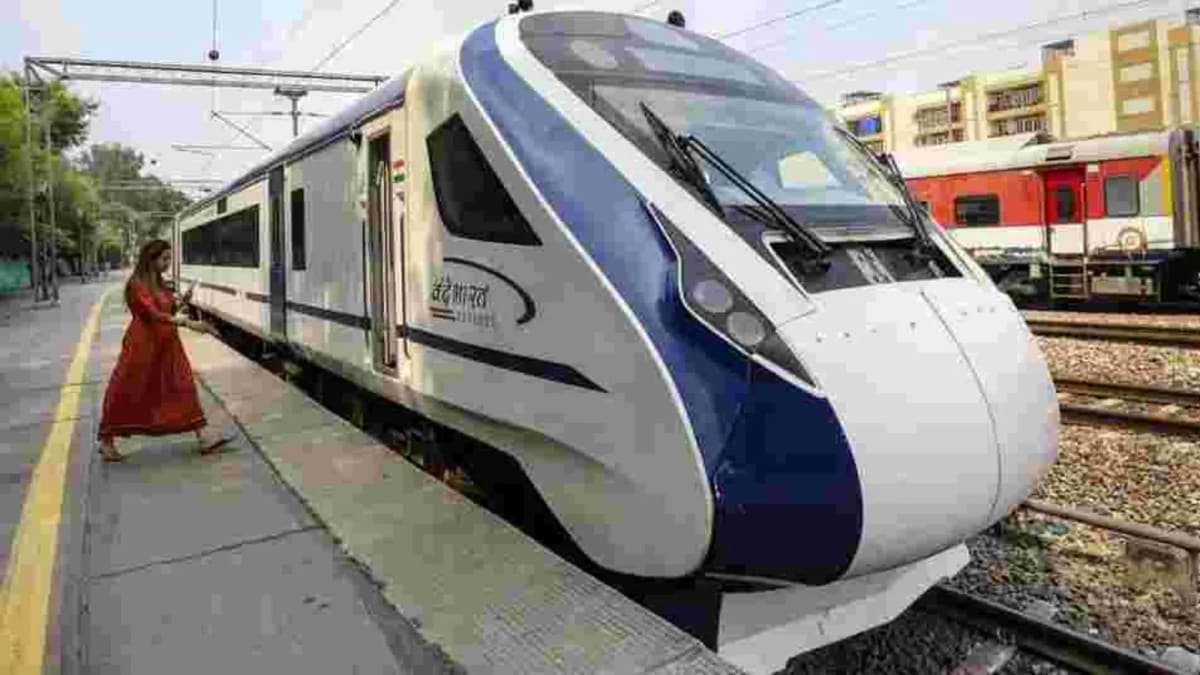
New Delhi: Traveling by train has become more expensive from today. The Ministry of Railways officially announced the fare hike for passenger trains on Thursday, which came into effect today. A marginal increase has been made in fares for long-distance travelers. For travel in ordinary class over a distance of 215 kilometers, the fare will increase by 1 paisa per kilometer. However, there is no increase in fares for local trains and short-distance journeys. The railways expect to earn an additional revenue of approximately Rs 600 crore in the current financial year from this change. This is the second fare hike this year. Fares were also increased in July.
According to the railways, the fare has been increased by 2 paise per kilometer for non-AC coaches of Mail and Express trains and all AC classes. This means that a 500-kilometer non-AC journey will only cost Rs 10 more. Under the new system, there will be no increase in fares for local trains and monthly season tickets. Passengers traveling up to 215 kilometers in ordinary class will also pay the old fares.
Why the fare increase?
Railway officials say that the rail network and operations have expanded significantly over the past decade. Considering this, a marginal increase in fares has been implemented. The demand for railway operations has increased, and the number of employees has also been increased to strengthen security measures, leading to increased expenses.
The expenditure on employees has increased to Rs 1.15 lakh crore, while pension expenses have reached Rs 60,000 crore. The total operating cost for the year 2024-25 was Rs 2.63 lakh crore.
https://timesindian.com/news/hardik-pandya-faces-unruly-fan-incident-during-private-outing-in-delhi
To meet the rising expenses, Indian Railways is also focusing on increasing freight traffic. It is also making this limited adjustment in passenger fares. This strategy has also improved safety and efficiency. India has now become the world's second-largest freight railway system. Emphasis is also being placed on non-fare revenue. This includes allowing large restaurant chains to open outlets at railway stations.
Changes to Second Class Ordinary fares:
- No fare increase for journeys up to 215 kilometers.
- A 5 rupee increase for journeys between 216 and 750 kilometers.
- A 10 rupee increase for journeys between 751 and 1,250 kilometers.
- A 15 rupee increase for journeys between 1,251 and 1,750 kilometers.
- A 20 rupee increase for journeys between 1,751 and 2,250 kilometers.
Changes to Mail and Express train fares:
For Sleeper Class Ordinary and First Class Ordinary, a 1 paisa per kilometer increase has been implemented for non-suburban journeys. In Mail and Express trains, a 2 paisa per kilometer increase has been implemented for both non-AC and AC categories. This includes Sleeper Class, First Class, AC Chair Car, AC 3-Tier, AC 2-Tier, and AC First Class. The ministry stated that passengers will have to pay approximately 10 rupees extra for a 500-kilometer journey in a non-AC Mail or Express coach.
Which trains will the new rates apply to?
The new rates will apply to major trains such as Rajdhani, Shatabdi, Duronto, Vande Bharat, Tejas, Humsafar, Amrit Bharat, Garib Rath, Jan Shatabdi, Gatimaan, Antyodaya, Mahamana, Yuva Express, Namo Bharat Rapid Rail, and general non-suburban services. This will not apply to AC MEMU and DEMU services.
The ministry has also clarified that the new rates will only apply to tickets booked on or after December 26, 2025. If someone has booked a ticket before this date, they will not have to pay any additional charges. The fare charts at railway stations will also be updated according to the new prices.
The Ministry of Railways says that it is committed to providing safe, reliable, and affordable travel, while also ensuring the long-term sustainability of its operations.


Discussion (0)
Leave A Reply
Speak Truth To PowerModerated by Times Indian